

How to Choose a Filter Coffee Maker
There are many options when it comes to making filter coffee. Some provide an immersive, hands-on brewing experience while others make your morning coffee in minutes with just the push of the button.
Most filter coffee makers have markings on the sides to assist you in measuring the water accurately. Some filter coffee makers come with a one way valve in the hole of the bucket or the heating pipe made of aluminum. This prevents blocking.
Drip coffee maker
A drip coffee maker provides the convenience of hands-free, automated brewing. It heats water in its reservoir to the perfect temperature for making coffee (195-205F), and then the water is pumped through a showerhead, which drips over the ground coffee in the filter basket. This kicks off the brewing cycle.
The hot water is poured over the coffee grounds to extract the flavors and oils, and dissolve the solid matter. The grounds are then pushed through the filter before being poured into the carafe that holds the final cup of coffee. The process is fast and simple, and it can produce large quantities of coffee.
When you choose a drip coffee maker, consider the capacity. You can choose from options that can produce anything from a few cups and 12 mugs. You'll want to choose one that has an easy-to-use water reservoir as well as a carafe that keeps the brewed espresso hot for a number of hours.
Some models have programmable settings and integrated grinders that make it easy to personalize your cup Joe. Certain models come with convenience features, such as automatic pause and pour, and a digital screen that lets you select your preferred temperature, strength and the brew time.
The price of drip coffee makers can vary from a few hundred dollars to more than 1,000 dollars. The best ones make consistently excellent coffee and are easy to use. Make sure you choose a model with top-quality glass, stainless steel or ceramic carafes and robust, easy to clean parts.
If you notice that your machine is not providing enough water, it may be a blockage within one of its tubes. This is particularly frequent for older machines that feature aluminum rods. They can get clogged with corrosion and minerals. If this occurs you can run vinegar through the tank first without filter or coffee and then add both. Repeat this procedure until all blockages have been removed from the coffee maker.
Drip coffee is a good option for a quick caffeine fix but it doesn't offer you the same degree of control over the quality of your coffee as other methods do. If you're looking for a more rich and complex flavor, opt for the French press or Chemex.
French press
Immersion brewing is a method of brewing coffee that is utilized in a French press, meaning that the coffee and water grounds remain in contact during the entire brewing procedure. It can be messy and time-consuming, but it can also produce an incredible cup of coffee that has more body than you would get with a drip machine. However, it's important to note that the French press can be a bit unstable. The brew cycle may leave behind grit in your drink, and it's crucial to choose the right proportion of coffee to water, or you might end up with a drink that is weak.
The most effective French presses come with a wide variety of features that make them easy to clean and use. They're often made of sturdy materials, such as stainless steel or thick glass and they come with a lid that traps heat and prevents spills. Some come with a built-in thermometer to make sure you're brewing your cup at the right temperature.
It's important to pre-heat your French press prior to making. You'll need to pour a tiny amount of hot water into the carafe and swirl it around for approximately 30 seconds. This will help warm it up and produce an even better cup of coffee.
Then, add the ground coffee to the carafe, and stir it thoroughly. Pour in the remainder of your hot water and gently stir it to mix everything. Be careful not to let the plunger sink into the coffee or you'll end with a bitter, overly strong drink.
Let the coffee infuse for 4 minutes. During this time, the grounds will begin to form a crust, which is a good sign that it's ready to be pressing. You may also stir it regularly to prevent the grounds from settling at the bottom of the pot.
The Bodum Chambord is the most popular French Press. It has three-part filter mesh that is able to separate the leaves and the grounds from water. drip brew is a more recent model that comes with two filters and an interlocking system. This removes silt and sediment from your coffee. While it does add to the cost and requires more washing, it's a minor price to pay for a grit-free cup of coffee.
Iced coffee
Iced coffee is a popular method to drink filter coffee over frozen. The brew has less acidity and can be consumed by itself, or with milk or sugar. It is an excellent choice for those who suffer from digestive issues. In addition, it's easier to drink during a hot day than a steaming cup coffee.
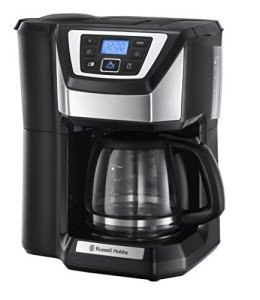
Using an automatic drip coffee machine is the quickest and most efficient method of making iced coffee, but it is important to use water that is clean to avoid any chemical residue. You can also test different equipment and brewing methods to determine which is the best for your needs. Altering the method of brewing or equipment, or filters will allow you to discover new flavors in your coffee.
A drip coffee maker works by heating the water internally before dripping it over the grounds of coffee in filters. The brewed coffee then collects in a carafe ready for serving. This is a very popular method of making filter coffee at home or in the office. However, it could lose certain flavor nuances when compared to manual brewing methods.
The best filter coffee machines are easy to use and feature an intuitive design. Some are portable and can even be taken on vacations. Certain high-end machines have clever settings to let you alter the brewing process. For example you can alter the temperature and time for the brewing. Some models also feature an alarm clock and a light indicator that tells you when your coffee is ready.
Some people prefer to add a sweetener to their iced tea, but the coffee's natural caramel chocolate, vanilla, and caramel notes can provide plenty of sweetness without adding any additional ingredients. Almond, coconut, and oat milks can also add flavor. In addition, you can add an ice cream scoop for a richer and more indulgence-oriented dessert.
If your coffee iced doesn't taste right, it could be that there is a blockage in the tube of the machine. This is common with older models that utilize tubes for heating made of aluminum. You can try running vinegar in the water tank to clear it out. If the issue continues, you might want to purchase a new coffee maker that has heating tubes made of stainless steel.
Cleaning and maintenance
Cleaning and maintaining your coffee maker correctly can prolong the life of your coffee maker and improve the quality of the brew. You should clean the carafe and removable parts after every use, either by hand or by using the dishwasher (depending on the manufacturer's guidelines), and wash the reservoir, lid and filter basket at least once a month with soapy, warm water. You should also clean the machine regularly to prevent mineral buildup, which affects performance and can result in bitter taste.
If your coffee machine has a built in descaling cycle, follow the instructions in the user's manual to run the cycle. If there isn't an inbuilt descaling feature then follow the instructions in your user's manual to run the cycle. After an extensive cleaning, make sure to run several cycles of water that is pure to thoroughly rinse and remove any vinegar taste that remains.
It is recommended to wash the grounds tray and filter every time you use it and store the coffee maker in a dry, secure place between uses. A coffee maker that is wet can attract germs, bacteria, and mold, which could affect the flavor and smell of your beverage and trigger health issues in your household. One study revealed that coffee pots are home to more bacteria than the toilet seat or door handle for the bathroom!
If your coffee maker takes longer than usual to brew, this could be a sign of a blockage in the filter. Also, if notice an unpleasant smell coming out of the machine, this could be a sign that there is a yeast or bacterial growth.
In addition to the routine deep cleaning and descale, it is recommended to also clean the exterior of the machine using an uncluttered sponge or cloth. This is particularly important if you have stainless steel or a nonstick coffee maker. These surfaces are difficult to clean and require special cleaners. If your coffee maker is susceptible to staining, you can rub it with lemon juice or soak it in a solution of water and baking soda. You can also apply descaling agents from commercial sources however, you must follow the manufacturer's instructions to ensure that your machine is not damaged.